
New fire hose washer helps firefighters work more efficiently and maintain a clean station
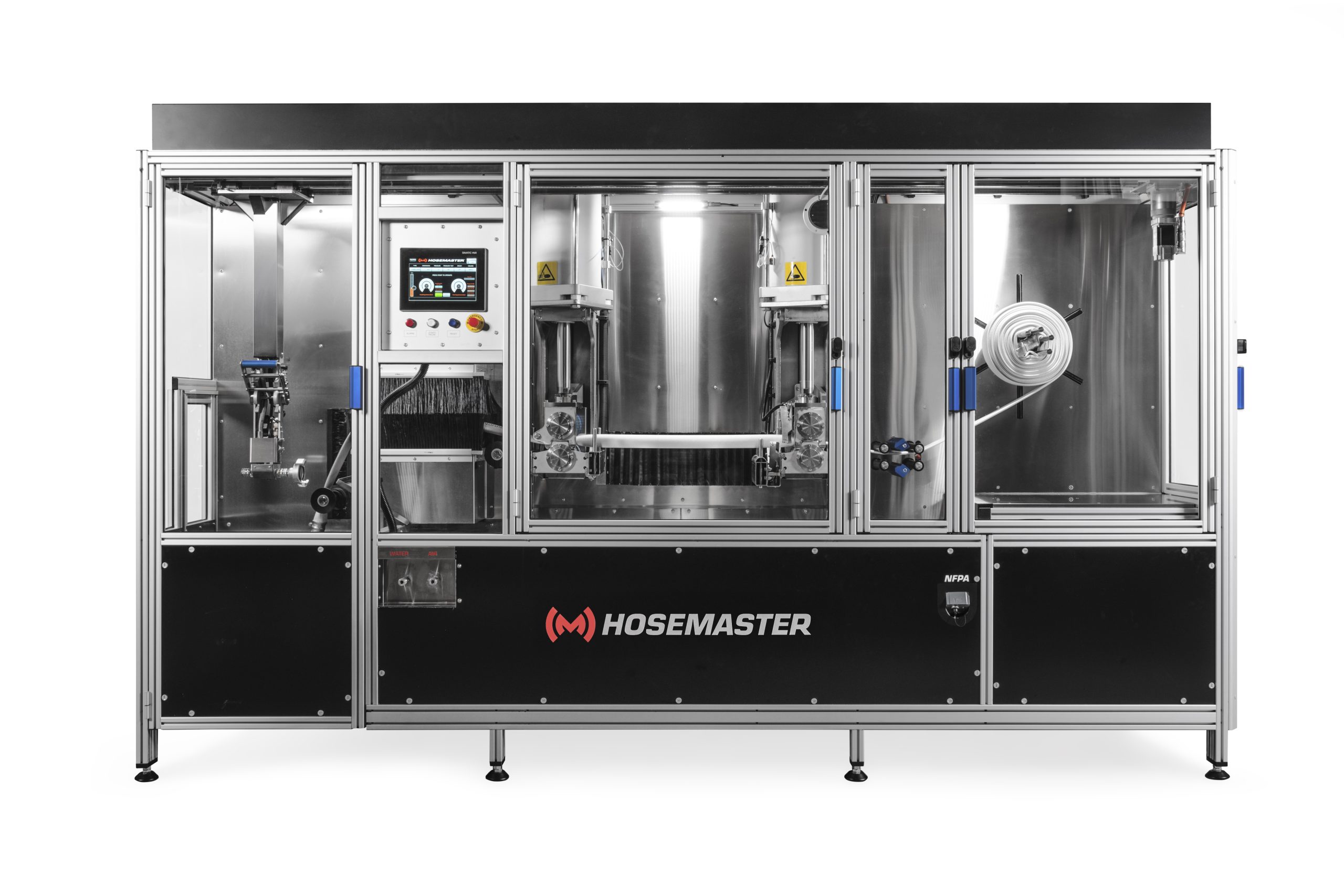
Cleaning, testing, and maintaining fire hoses after a call takes up a significant amount of firefighters' time. By integrating all functions into a single enclosed washer, the work can be completed much faster. At the same time, it significantly reduces the amount of soot released into the station and the ambient air.
Easy-to-use washer covers it all: washes, tests, and reels
Day-to-day operations at fire stations demand well-managed processes and the highest possible performance. Traditionally, equipment maintenance after a call has also been both time-consuming and physically demanding. The HosemasterTM fire hose washer has been designed to automate a key process by bringing hose washing, pressure testing, and reeling together in a single fire hose washer. The washer cleans and inspects hoses in a single cycle, supporting regular maintenance intervals and a clean station. The functional features and the final outcome must also meet NFPA standards, and the work itself must be safe.
Advanced features speed up and simplify the work
Fire departments operate under both local fire safety legislation and sector-specific requirements concerning fire hose testing equipment. The regulations governing hose washing and maintenance are clear. However, until now, there has not been a single washer that fulfils all requirements and significantly reduces the time needed for hose maintenance.
The HosemasterTM is specifically designed to meet the requirements of the NFPA 1962 standard for hose maintenance and inspection.
The system features a dedicated NFPA test module, which carries out the required pressure tests at the specified hose test pressure. The washer automates fire hose inspection and documentation, making it easier to assess the hose’s service life and identify when hose replacement is needed.
By handling washing, testing, and reeling in a single washer, the entire process shortens overall hose testing time, makes the work easier, and also reduces water consumption.
Protecting firefighters from hazardous pathogens
Studies and increased awareness of health risks in the emergency services sector have underscored the importance of washing hoses as part of managing hazardous carcinogens. Hoses used in operations accumulate soot and fire gas residues on their surfaces. These substances are known to increase the risk of firefighter cancer and firefighter lung disease.
An efficient and isolated washing process prevents toxic substances from spreading to other parts of the fire station. This helps keep the station as clean as possible and makes working conditions safer. In many countries, firefighters’ health concerns are closely tied to legislation, such as presumption laws, which are in force in most U.S. states, for example. These laws and regulations determine how occupational illnesses and related fatalities among firefighters are compensated. Presumption law regulations highlight the responsibility of employers in the rescue sector to provide proper cleaning procedures for equipment and hoses. Systematic cleaning, alongside technical maintenance, is essential for managing the risks of occupational diseases.
Ready to simplify decon and NFPA testing?
Get a quick assessment of your station’s setup, space, and testing needs. Contact us now!